
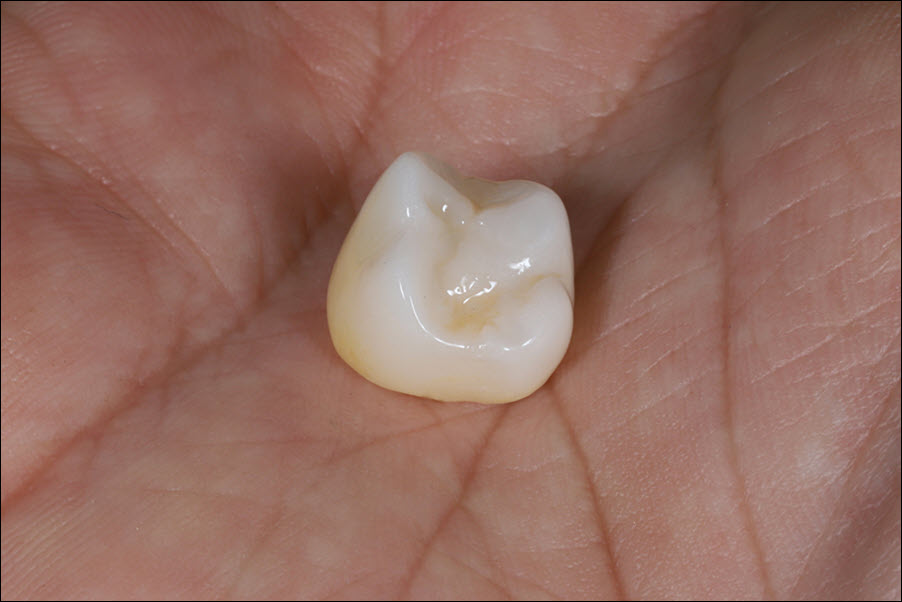
Dental crowns restore damaged teeth, protect weak structures, and enhance appearance. They are both a restorative as well as a cosmetic dentistry topic, as they serve to repair teeth and improve the appearance of a smile. Knowing what to expect reduces anxiety and helps patients prepare.
Initial Consultation and Preparation
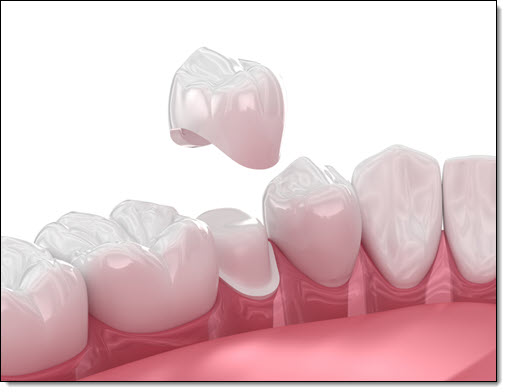 The dentist begins with an exam and X-rays. If a tooth is severely decayed or fractured, it may require root canal treatment first. The tooth is then reshaped to fit the crown. An impression or digital scan ensures the crown matches the bite and alignment. A temporary crown protects the tooth while the permanent crown is made.
Crown Fabrication Process
Dental crowns are crafted from materials like porcelain, ceramic, or metal alloys. The dentist selects the best material based on tooth location and patient needs. Porcelain crowns blend naturally with surrounding teeth. Metal crowns offer durability for molars. The fabrication process typically takes one to two weeks.
Fitting the Permanent Crown
During the second visit, the dentist removes the temporary crown. They place the permanent crown and adjust it for comfort. Once they confirm the fit, dental cement secures it in place. Patients should avoid sticky foods for the first day as the cement sets fully.
Caring for a New Crown
Good oral hygiene is essential for crown longevity. Brush and floss carefully around the crowned tooth to prevent decay at the gumline. Avoid chewing ice or hard foods that can damage the crown. With proper care, crowns can last 10 to 15 years or longer.
Dental crowns restore strength, function, and appearance. Understanding the process helps patients feel confident and prepared. With good care, crowns provide long-lasting results and improve oral health. Schedule your appointment with us today if you need a crown.
