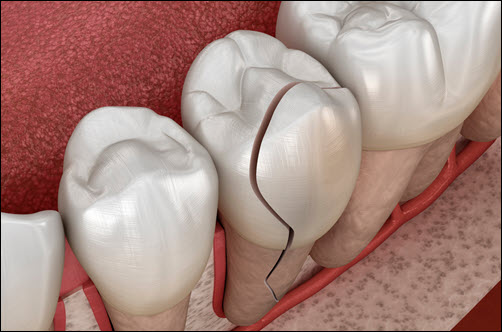

Damaged teeth affect more than appearance. Cracks, chips, decay, and wear can cause pain, sensitivity, and further complications if left untreated. The good news is that modern dentistry offers effective ways to restore damaged teeth and protect long-term oral health. Acting early helps you avoid more complex procedures and keeps your smile strong.
Common Causes of Tooth Damage
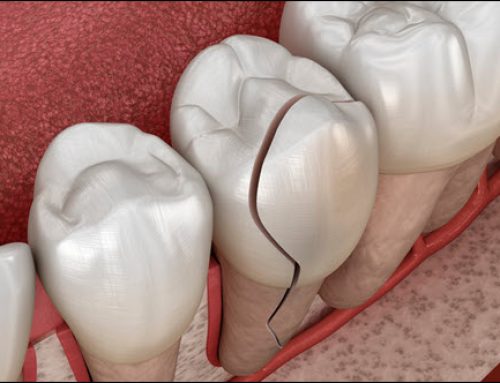
Teeth can become damaged for several reasons. Accidents and injuries often lead to chips or fractures. Tooth decay weakens enamel and creates cavities that compromise structure. Grinding or clenching, known as bruxism, wears down teeth over time.
You may also experience damage from acidic foods, poor oral hygiene, or aging dental work. Identifying the cause helps your dentist recommend the most effective treatment and prevent future issues.
Dental Bonding for Minor Repairs
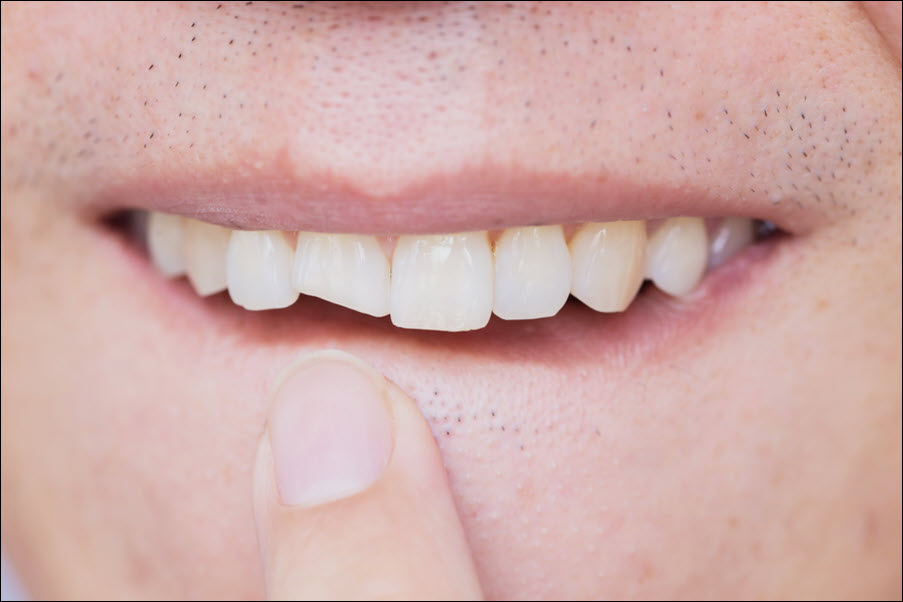 Dental bonding offers a quick solution for small chips, cracks, and gaps. Your dentist applies a tooth-colored resin and shapes it to match your natural tooth. The material hardens under a special light, creating a seamless repair.
Bonding works well for minor cosmetic issues and typically requires one visit. It improves appearance and restores basic function without removing much natural tooth structure.
Crowns for Strength and Protection
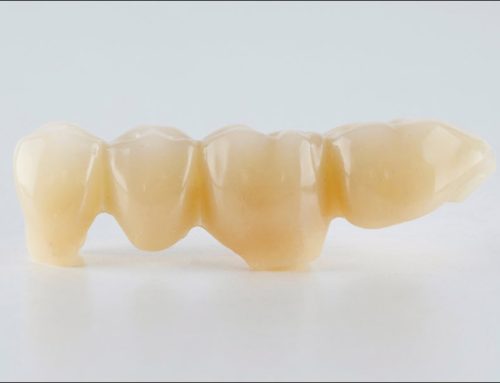
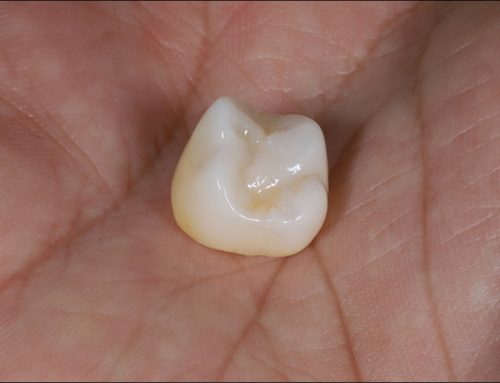
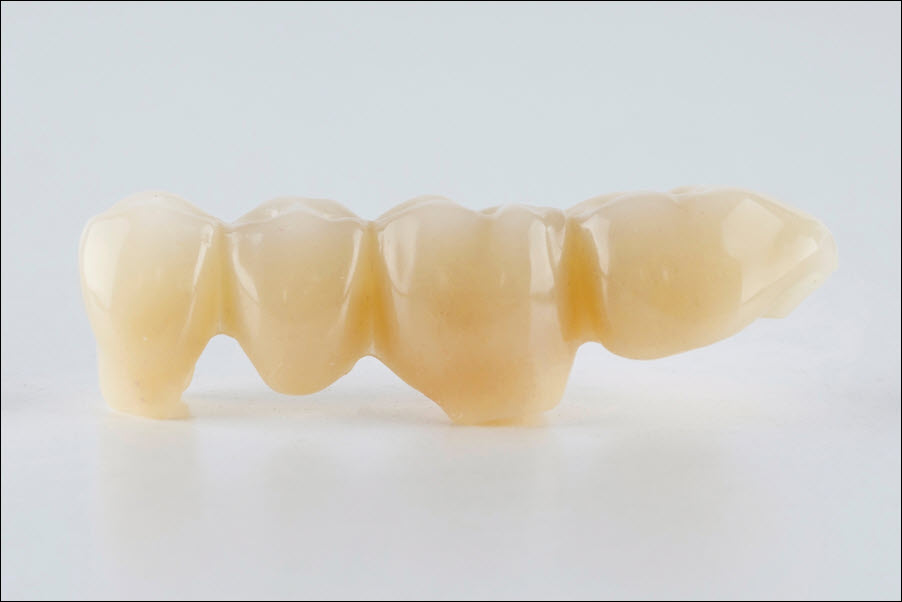
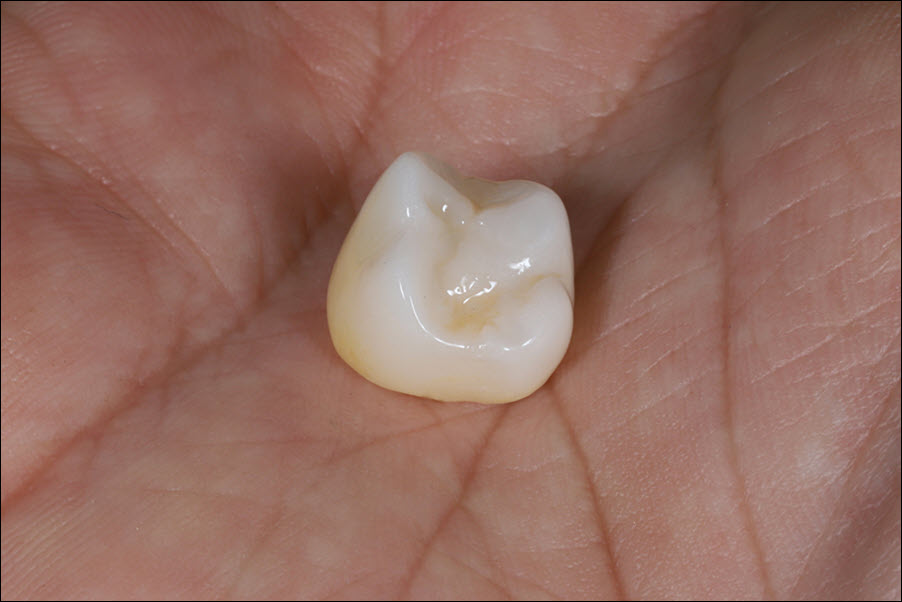
When a tooth suffers significant damage, a dental crown provides full coverage. Crowns fit over the entire tooth, restoring shape, strength, and function. They protect weakened teeth from further damage.
Modern crowns use durable materials like porcelain or ceramic, which mimic natural teeth. Crowns work well after root canals, large fillings, or severe fractures.
Veneers for Cosmetic Restoration
Porcelain veneers improve the look of front teeth with visible damage. These thin shells bond to the front surface and cover chips, discoloration, and uneven edges.
Veneers create a smooth, natural appearance while strengthening the tooth surface. They offer a long-lasting solution for cosmetic concerns.
Root Canal Treatment for Severe Damage
If damage reaches the inner pulp of the tooth, a root canal may be necessary. This procedure removes infected tissue, cleans the canal, and seals the tooth.
A crown usually follows to restore strength. Root canal treatment saves the natural tooth and prevents extraction.
Dental Implants for Missing Teeth
In cases where a tooth cannot be saved, dental implants provide a permanent replacement. Implants anchor into the jawbone and support a natural-looking crown.
They restore function, maintain bone structure, and improve overall oral health. Implants offer a durable and reliable solution for severe damage.
Restore Your Smile with Confidence
Restoring damaged teeth improves both function and appearance. With options like bonding, crowns, veneers, and implants, modern dentistry offers solutions for every level of damage.
If you notice pain, sensitivity, or visible damage, schedule a dental evaluation. Early treatment protects your smile and helps you maintain long-term oral health.